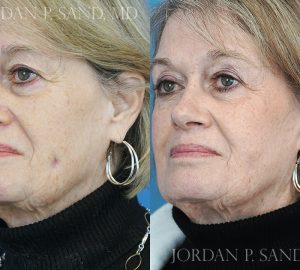

Facelift
Procedures offered at our clinic in Spokane: facelift, deep plane facelift,….



Dermabrasion is a skin-resurfacing procedure that uses a rapidly rotating instrument to remove the outer layers of skin so smoother, younger-looking skin can grow in its place. Microdermabrasion is its gentler cousin, polishing only the outermost surface with little to no downtime. People use the two terms interchangeably, but they are different procedures suited to different skin concerns.
As we age, many of us notice fine lines and wrinkles. Our scars seem to jump right out of the mirror at us. Something constantly reminds us that our skin isn’t as young and smooth as it once was. When we begin to notice the evidence of aging, we understandably begin to look for a way to turn back the hands of time. Let’s look at both procedures to discover the similarities and differences.
Dermabrasion uses a tool that rotates quickly to remove the outer layer of skin. When the skin grows back it’s typically smoother and younger-looking. For this procedure, the doctor numbs the skin. In some cases, general anesthesia or sedatives may be used.
The point of dermabrasion is to reduce the appearance of flaws in the skin. Scars, lines, wrinkles, and other imperfections are improved with this procedure. The procedure can be done alone or in conjunction with other procedures, but it’s only recommended for people with light skin tones.
The first three weeks after the procedure, patients tend to have sensitive skin that looks blotchy. After about three months, the skin will be closer to normal. Dermabrasion goes deep beneath the outer surface of the skin. Microdermabrasion, while similar, is a different process.
Microdermabrasion, like dermabrasion, is used to reduce the appearance of skin flaws. There are two techniques for microdermabrasion. The first uses a tool to sand the outer layer of skin away. The second uses suction and a spray of sodium bicarbonate or aluminum oxide to remove the outer layer of skin.
Either microdermabrasion technique is relatively non-invasive. This procedure is beneficial for people with age spots, sun damage, stretch marks, and several other skin conditions. It’s safe for various skin tones and types.
| Dermabrasion | Microdermabrasion | |
|---|---|---|
| Depth | Deep, below the outer surface of the skin | Outer layer of skin only |
| Anesthesia | Numbing; sometimes sedation or general anesthesia | None needed |
| Recovery | Sensitive, blotchy skin for about three weeks; closer to normal by three months | Little to no downtime |
| Best for | Deeper scars, lines, and wrinkles; light skin tones | Age spots, sun damage, stretch marks, and surface texture; safe for various skin tones |
Generally speaking, microdermabrasion is less costly than dermabrasion. Dermabrasion is considered a surgical procedure, so anesthesia is required along with the costs that are associated with that. Microdermabrasion is typically a fraction of that cost. And, both procedures are considered cosmetic, so they are typically not covered by insurance.
The right resurfacing approach depends on how deep your skin concerns go, your skin tone, and how much downtime you can accept. Deeper scars and etched-in lines call for a deeper treatment; surface dullness, age spots, and mild texture respond well to gentler options. Modern alternatives such as laser skin treatments and professional aesthetician care can address many of the same concerns. Dr. Sand and his team can evaluate your skin and recommend the treatment that fits. Schedule a consultation at 509-324-2980.